


 Hoodie
 Printed Hoodie
 Sweat Shirts
 Printed Sweat Shirts
 Drop Shoulder Shirts
 Trouser
 Old Money / Pinterest Casual
 Casual 2 Piece Sets
 Winter Co-Ord Sets
 Maxi Dresses



Streetwear Trends 2026: Why Pakistani Brands Are Winning

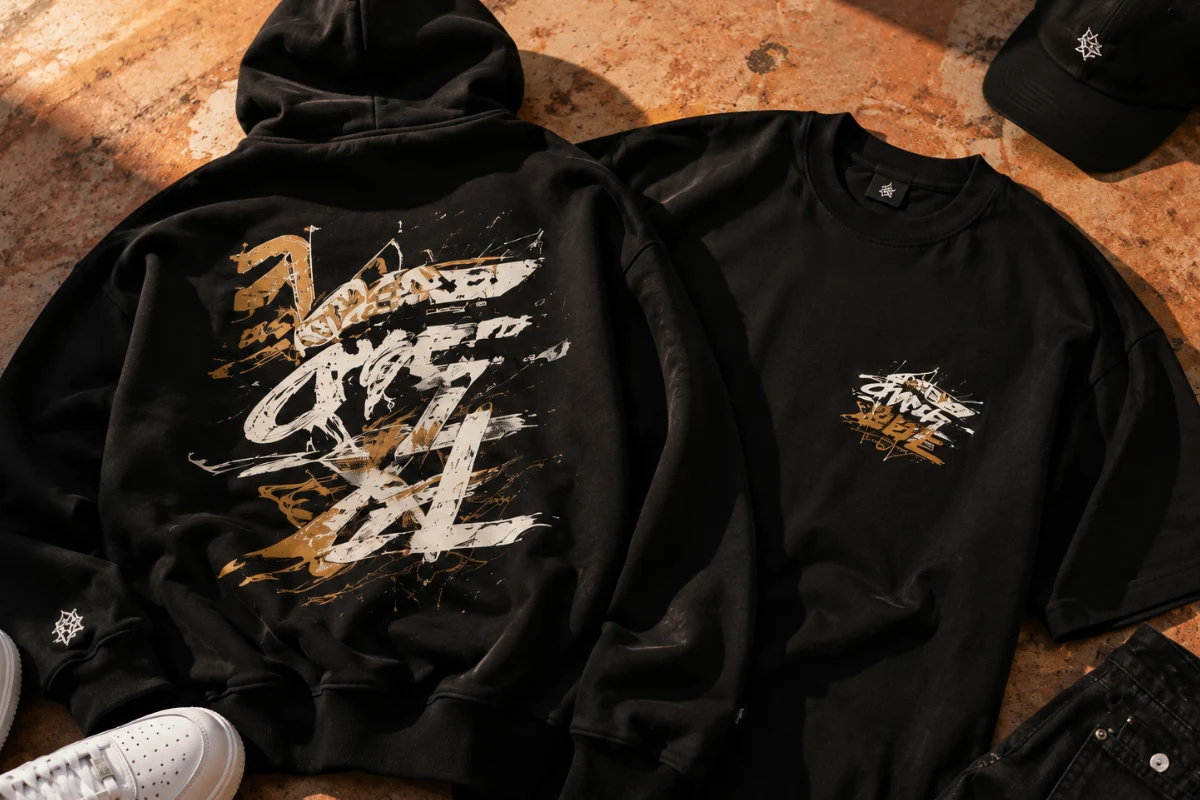
Streetwear stopped being a “subculture” a while ago. In 2026, it’s the default uniform for an entire generation — from Karachi rooftop parties to Lahore concerts to Islamabad coffee shops. And while the global streetwear trends 2026 conversation is happening in New York, Tokyo, and Seoul, the most interesting shift is happening much closer to home.
Here’s what’s actually trending this year — globally and locally — and why homegrown Pakistani streetwear brands are quietly beating international labels at their own game.
Quick Takeaways
- Oversized, purposeful silhouettes remain the core of streetwear trends 2026.
- Techwear and sustainable, heavyweight fabrics are gaining serious ground globally.
- Pakistani streetwear brands are outpacing imports on price, climate-fit, and cultural relevance.
01. Oversized, Relaxed Silhouettes Are Still King
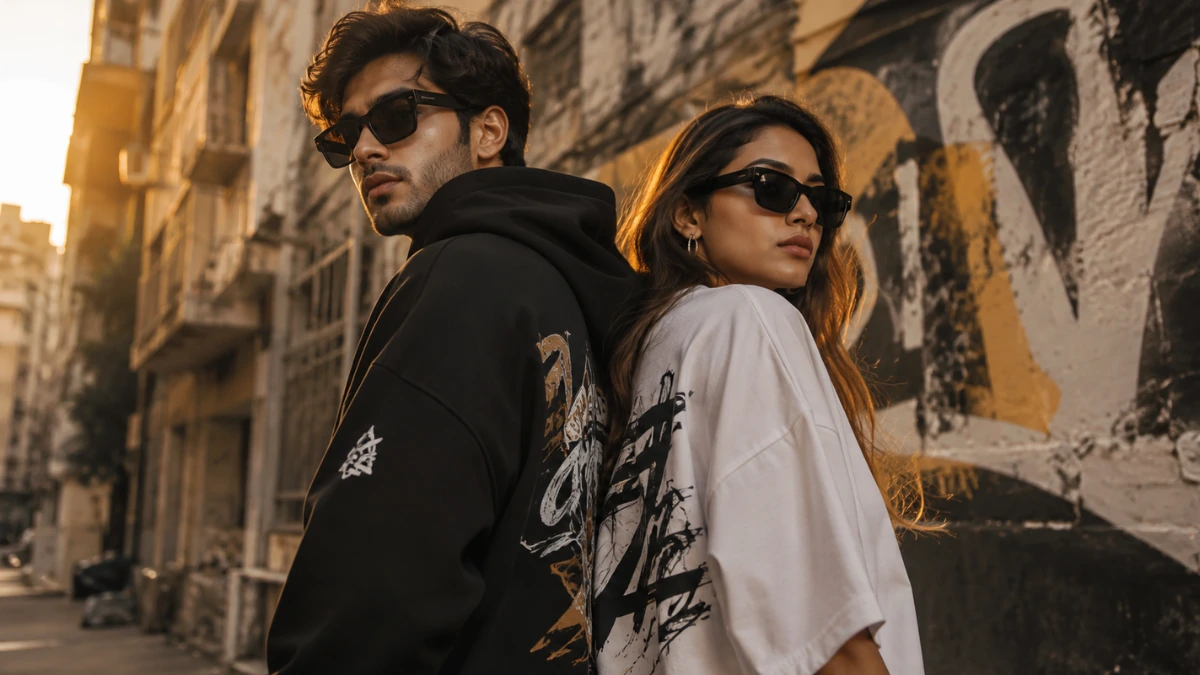
The oversized fit isn’t a passing phase — it’s the foundation of modern streetwear. Relaxed hoodies, boxy tees, and drop shoulder shirts dominate 2026 wardrobes because they do two things at once: they look effortless, and they’re genuinely comfortable for everyday wear.
The shift this year is intentionality. Instead of loud, logo-heavy graphics, this year’s oversized pieces lean toward premium fabrics, clean cuts, and graphics that are bold but purposeful — back-print tees that stay minimal up front and expressive from behind are one of the biggest micro-trends among the streetwear trends 2026 has produced so far.
02. Techwear Is Having a Real Moment
Techwear — the fusion of high-performance, functional fabrics with urban design — is one of the fastest-growing streetwear categories globally in 2026. Utility pockets, water-resistant materials, and adjustable straps are showing up on pieces that used to be purely aesthetic. It’s streetwear built for people who actually move through cities, not just pose in them.
According to industry trend reports, streetwear this year is defined by comfort, authenticity, and bold experimentation — a shift echoed strongly in Pakistan’s own scene.
“Streetwear in 2026 isn’t just fashion — it’s identity, culture, and everyday expression.”
03. Sustainability Isn’t a Buzzword Anymore
For years, “sustainable fashion” was a marketing checkbox. In 2026, it’s a genuine purchasing factor for Gen Z buyers, who increasingly ask where their clothes come from and how long they’ll last. Brands using heavier, higher-GSM fabrics — the kind that hold their shape and don’t thin out after a few washes — are winning long-term loyalty over brands chasing the cheapest possible production run.
Why it matters: A sweatshirt that survives 100 washes is a better investment — and better for the planet — than five that don’t survive ten.
04. Retro and Y2K References Are Back — With a Twist
Plaid, suede, polo-inspired pieces, and early-2000s silhouettes are resurfacing in 2026, but not as straight nostalgia. Designers are pairing vintage-inspired shapes with futuristic materials and bold, modern colorways — a classic silhouette rebuilt with today’s fabric technology.
05. Pakistan’s Streetwear Scene Has Genuinely Matured
Here’s the part most global trend reports miss: Pakistan isn’t just consuming these trends — it’s building its own version of them, and doing it better in some ways than international labels can. A few years ago, streetwear here largely meant imported or heavily inspired pieces. That’s flipped. Today, the most photographed outfits at local events are overwhelmingly from homegrown brands.
Price without compromise. A quality hoodie from a Pakistani streetwear brand typically retails between Rs. 9,000–12,000, while a comparable piece from an international label can run Rs. 25,000 or more — for materials and construction that aren’t meaningfully different.
Climate-appropriate design. Local brands understand Pakistan’s climate isn’t built for heavyweight European or American streetwear year-round — breathable tees and cargos for most of the year, heavier fleece hoodies for the shorter cold season.
Cultural relevance. International brands attempting “local” designs often feel surface-level. Homegrown labels can reference language, art, and identity in ways that actually land — a design with an Urdu phrase or truck-art-inspired print means something different coming from a Pakistani brand than a foreign one imitating the aesthetic.
What These Streetwear Trends 2026 Mean for Buyers in Pakistan
If you’re building or refreshing a streetwear wardrobe around the streetwear trends 2026 has brought into the mainstream, the smartest move isn’t chasing international logos — it’s looking for pieces that combine the global trend fundamentals (oversized fit, quality heavyweight fabric, purposeful graphics) with brands that actually understand Pakistani sizing, climate, and culture. That’s exactly the gap homegrown labels are built to fill: oversized hoodies, drop shoulder shirts, and graphic tees designed with premium, heavyweight fabric and prints that hold up wash after wash — at a price that doesn’t require importing anything.
Streetwear in 2026 isn’t about where a brand is from — it’s about fit, fabric, and whether the design actually means something. Right now, Pakistani brands are proving they can deliver all three.
Ready to Wear the Trend, Not Just Read About It?
See what 2026 streetwear looks like when it’s built for Pakistan.